
How Long Does a Well Pump Last in Florida?
A pump’s age is only part of the answer. Learn what affects service life, which symptoms need attention, and how to weigh repair against replacement in Marion County.
By Topside Well Service
Have pump trouble? Call (352) 247-222024/7 emergency phone line. On-site timing depends on availability and conditions.
After-hours rates apply. Call to confirm visit charges, pricing and current availability before scheduling.
There is no single replacement age for every Florida well pump.
The pump model, its installation, operating conditions, and service history matter more than a statewide countdown. A broad age estimate cannot tell you how many years your particular pump has left.
Locate the installation record, document any changes in water delivery, and compare the findings with the manufacturer’s requirements. A tank or control-box label may identify that component without identifying the down-well pump.
What affects service life?
- Equipment selection: The pump, tank, and controls need to suit the application.
- Operating conditions: Electrical supply, cooling, and pump loading matter for submersible motors.
- Frequent starts: Excessive cycling can shorten the life of motors and control components.
- Service history: Past repairs and recurring symptoms help frame the next decision.
Franklin Electric discusses operating conditions and excessive cycling in its submersible motor application manual. That reference is not a settings guide for every installation; use the instructions for your exact equipment.
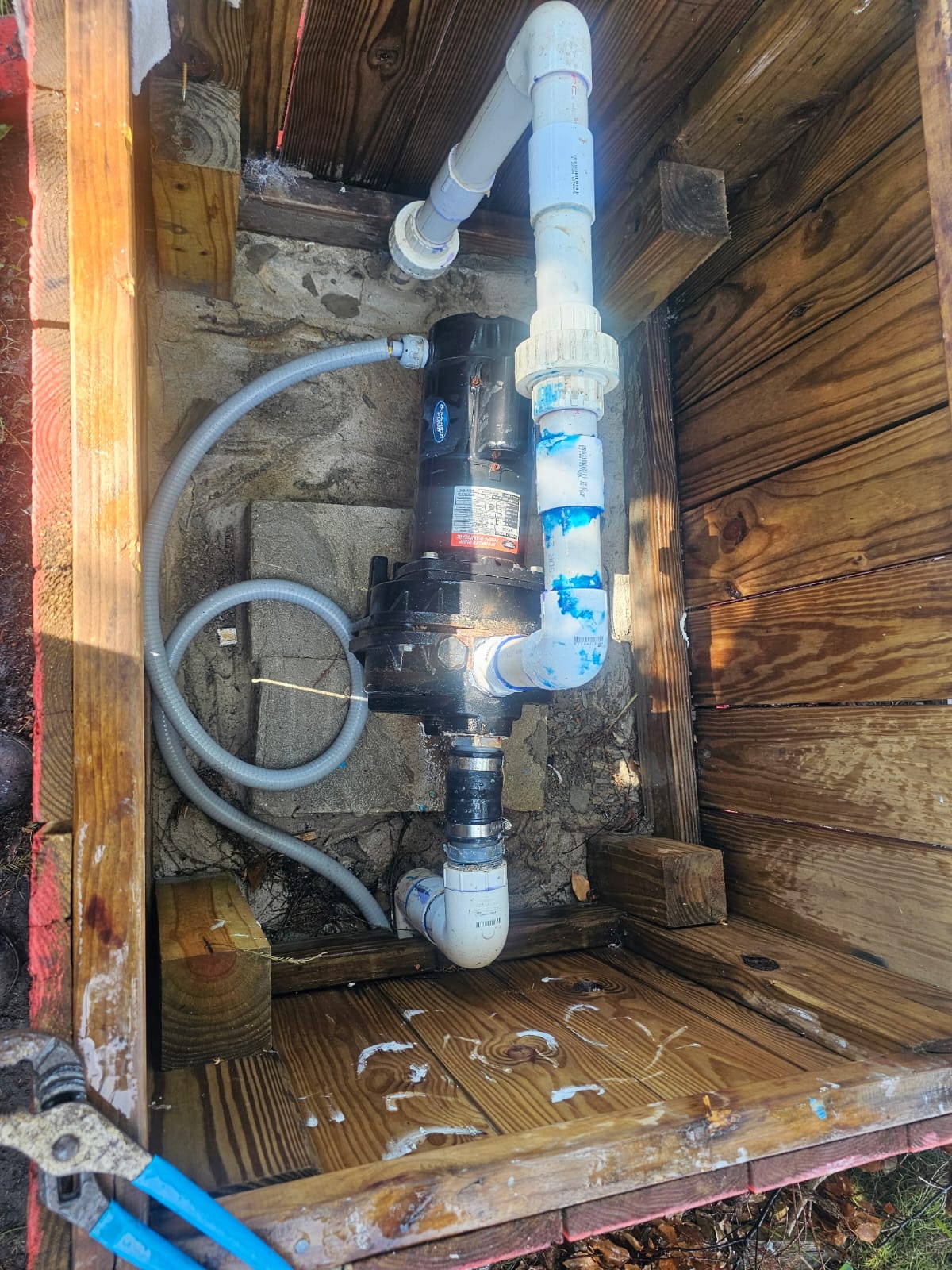


These symptoms warrant service, regardless of pump age.
- No water at multiple fixtures.
- A pump clicking on and off repeatedly.
- Surging or unexpectedly low water pressure.
- A pump that appears to run continuously.
- Visible leaks around the tank or piping.
- A breaker that trips again after being reset.
These symptoms do not identify a failed pump on their own. Water system diagnostics can help distinguish pump problems from tank, control, piping, or supply issues.
Keep electrical covers closed and stay away from wet electrical equipment. Do not repeatedly reset a tripping breaker. If you have lost water, read our no-water guide or call to discuss emergency well service.
Repair or replace? Start with the failed component.
When a targeted repair may fit
The problem may involve an accessible switch, control box, tank, or connection. Ask what the diagnostic findings show and whether the proposed repair addresses the cause.
Explore pressure switch repair, control box repair, and pressure tank replacement.
When replacement may be considered
Discuss replacement when the pump is confirmed to have failed or when its condition, repair options, and suitability make replacement worth comparing. Ask about equipment specifications, labor, access, and warranty coverage.
For down-well equipment, review submersible pump replacement and ask whether a pump pull is necessary.
A practical scenario: older pump, sudden pressure surges
Imagine a homeowner whose older pump has started cycling rapidly during a shower. Age alone does not settle the diagnosis. The technician evaluates the symptoms and relevant components. If a tank issue is confirmed, the recommendation may focus on the tank; if testing identifies a pump fault, a pump repair or replacement can be discussed. This is an illustrative scenario, not a reported customer job.
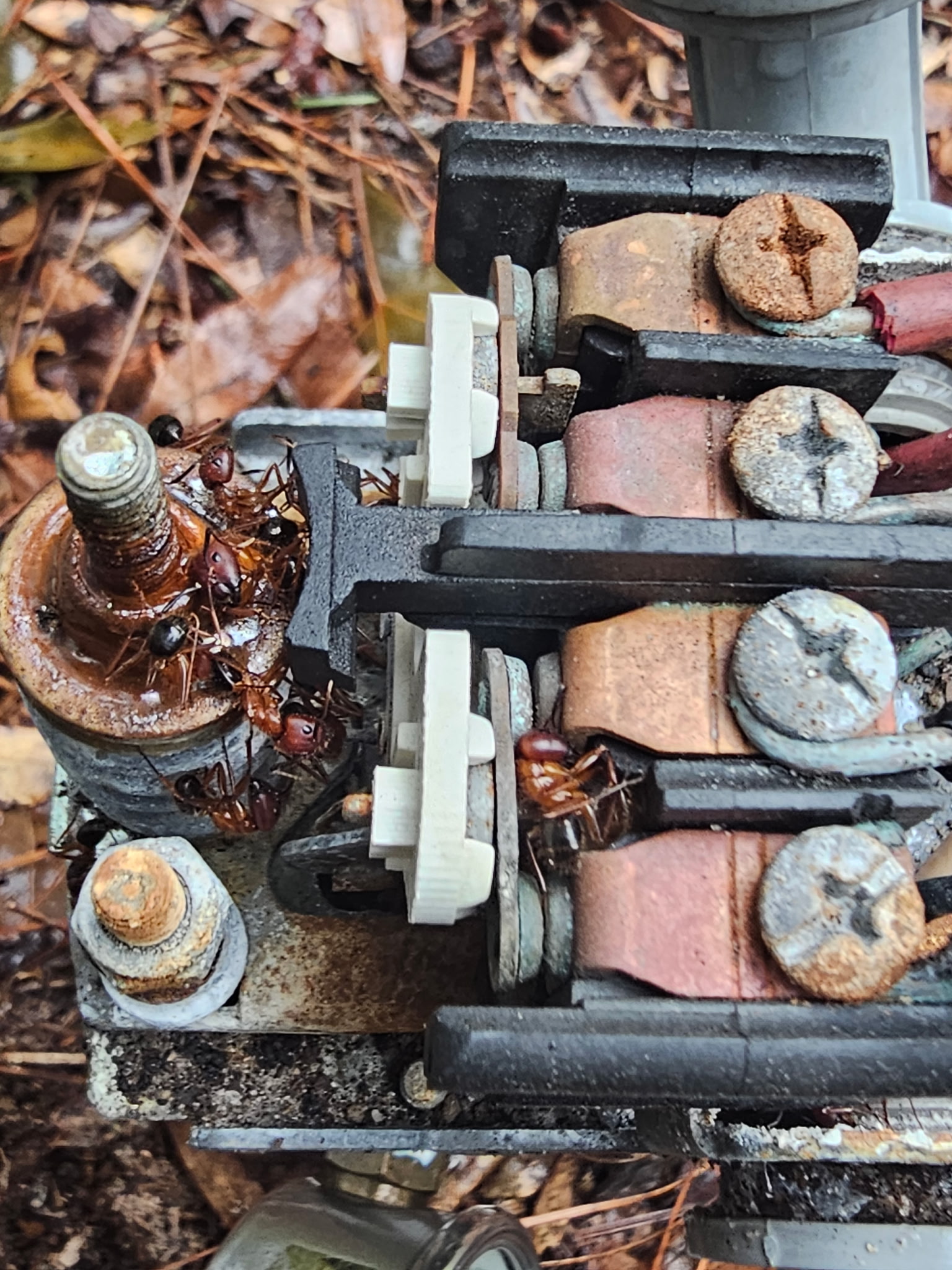
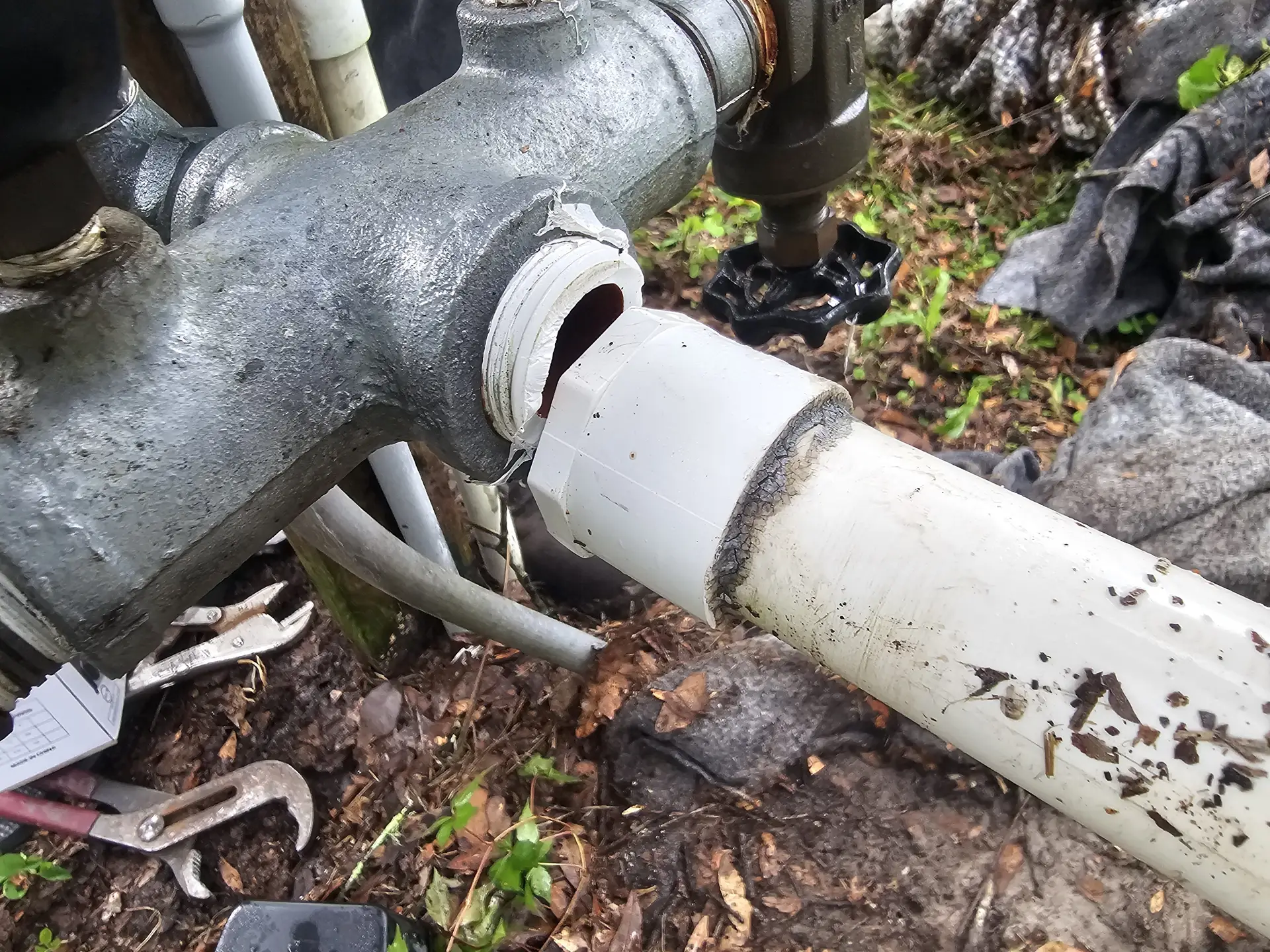

Address changes early and keep useful records.
- Document symptoms. Note when pressure changes occur and which fixtures or irrigation zones are running.
- Keep service records. Save installation details, invoices, model information, and warranty documents.
- Report leaks and unusual cycling. Avoid assuming they are normal for an older pump.
- Follow equipment instructions. Leave electrical work, tank adjustments, and control settings to qualified professionals.
- Discuss planned care. Ask what is included in annual well pump maintenance. Maintenance cannot promise a specific number of extra years.
Water filters serve a different purpose.
Topside sells and installs water filters, but not water softeners. Filter selection should address the particular water concern. A downstream filter does not reverse wear that has already occurred inside a pump or replace mechanical maintenance.
Well pump lifespan questions
How long does a well pump last in Florida?
There is no single lifespan that applies to every Florida well pump. Model, installation, operating conditions, water demand, and service history all matter. Use the installation record and a diagnosis of current symptoms to plan repairs or replacement rather than treating age as an expiration date.
Should I replace my well pump just because it is old?
Age is useful context, but it does not prove failure. Ask what has failed, whether repair is practical, what the replacement includes, and which warranty applies. Compare the condition and service history of your equipment with the proposed work.
My pump starts every few seconds. Does that mean I need a new pump?
Frequent cycling needs attention, but it does not identify the failed component by itself. Tank problems, controls, leaks, or other operating conditions may be involved. Report when the cycling happens and have the cause diagnosed before authorizing a pump replacement.
We lost water after a power outage. Has the pump reached the end of its life?
An outage followed by no water does not prove that the pump motor has failed. Power, controls, and other components may need evaluation. Do not open electrical covers or repeatedly reset a tripping breaker. Tell the service provider when the outage occurred and what changed.
How can I find the age of my submersible well pump?
Start with installation invoices, warranty documents, and previous service records. The label on an above-ground tank or control box does not establish the age of the down-well pump. A service provider may be able to help interpret available model and installation records.
Will a pressure tank replacement make my pump last longer?
Correcting a tank problem can address a cause of excessive cycling, but it cannot guarantee additional years of pump life. Tank selection and settings must suit the installed system. Replace components based on their condition and compatibility rather than an automatic age rule.
Does every pump repair require a pump pull?
No. Some faults involve accessible controls, the pressure tank, or piping. A submersible pump may need to be pulled when diagnosis points to the down-well equipment or its connections. Ask why a pull is recommended and what is included in the estimate.
Can a water filter protect the pump or replace maintenance?
A filter installed downstream of the pump does not protect that pump from material it has already handled. Filters address specific water-quality needs and require their own maintenance. Topside sells and installs water filters, but not water softeners.
Well pump service in Marion County
For help with no water, cycling, or pressure changes, explore well pump repair or contact Topside Well Service. Have your service address, symptoms, and available equipment records ready when you call.
Customer reviews




Find out what your well pump needs.
Tell us what changed. Discuss the diagnostic work, service availability, and charges before scheduling.
Call (352) 247-2220