Well Pump Maintenance Checklist for Marion County, FL
Keep track of pressure changes, leaks, equipment records, and planned care. This guide separates simple observations from technician work and water-quality testing.
By Topside Well Service
Get the printable checklistObserve changes without taking equipment apart.
Choose a repeatable reminder, such as reviewing a monthly bill, to note how your well system behaves. These suggested reminders are not manufacturer-prescribed intervals.
- Pressure: Note changes during ordinary use. Read an accessible gauge only if you can do so safely; do not adjust settings.
- Cycling: Report new or frequent starts, especially when fixtures are off. There is no universal number of starts that diagnoses every installation.
- Leaks: Look for visible drips or water around piping and the tank from a safe distance.
- Controls: Report damaged housings or unusual sounds. Keep electrical covers closed.
- Water use: Note running fixtures or unexpected irrigation use that may help explain a change in demand.
A tank tap test does not establish bladder condition. Frequent cycling can involve the tank, controls, leaks, or other conditions. See pressure tank service when symptoms suggest a problem.
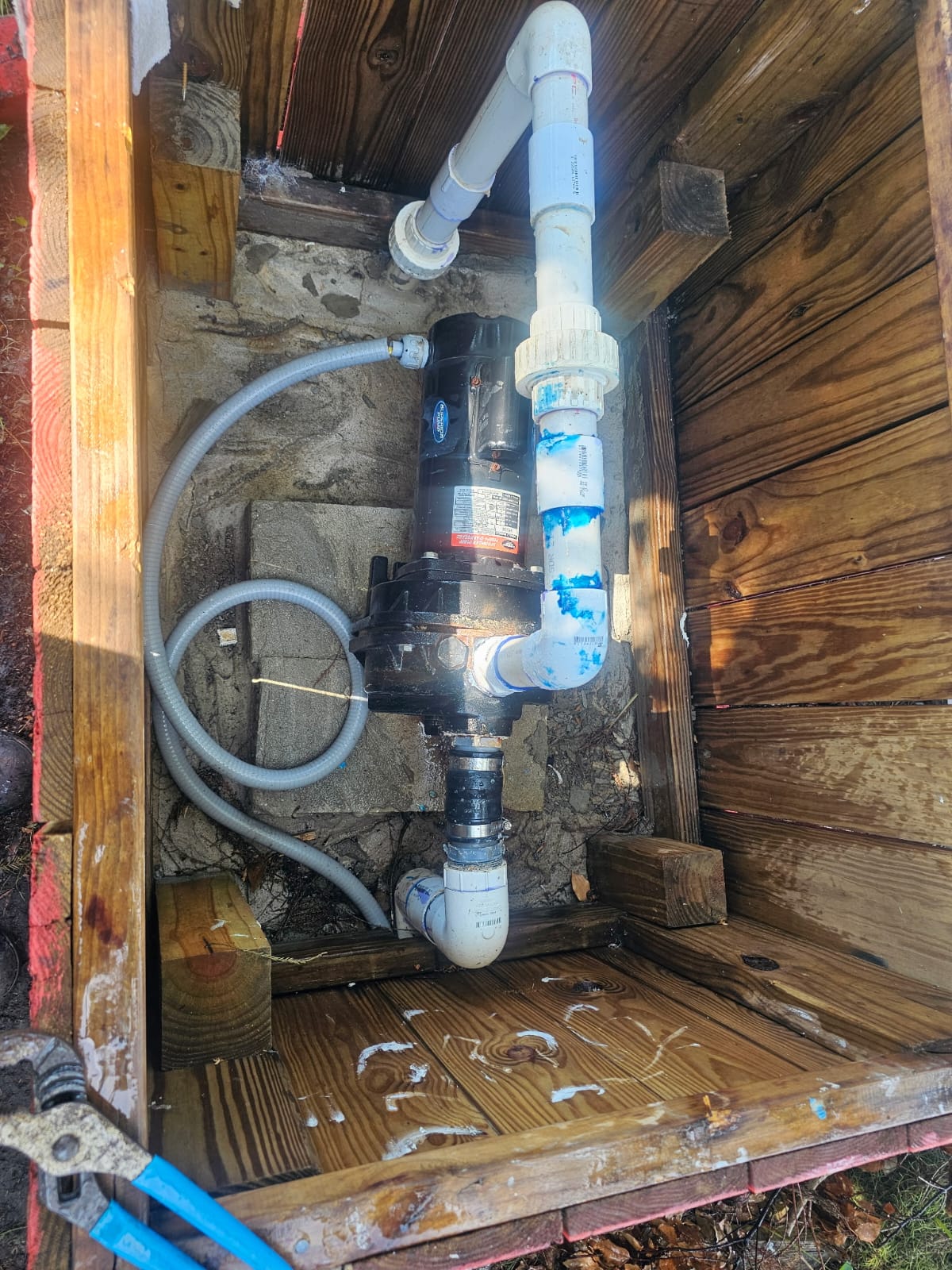


Quarterly reminders for records, access, and filters.
- Keep repair invoices, equipment model details and water-test results together.
- Observe the well cap and surrounding area for visible damage or pooling water without opening the well.
- Keep chemicals and stored materials away from the well area.
- Review unusual changes in water or electricity use as clues, not proof of pump failure.
- Follow your installed filter’s maintenance schedule; the interval depends on the product and actual conditions.
Topside sells and installs water filters, but not water softeners. Share any test results when discussing filter options.
Leave tank pre-charge adjustments, pressure-switch settings, electrical testing, and surge-protection work to an appropriately qualified professional. A generic pressure setting or replacement interval may not fit your equipment.
Plan equipment maintenance and water testing.
Well pump maintenance
Discuss annual well pump maintenance and confirm the scope, charges, equipment access, and any manufacturer requirements. Bring up pressure changes or leaks rather than waiting for the next scheduled visit.
Depending on the concern and agreed work, a technician may evaluate the pressure tank, controls, connections, and pump operation. Maintenance does not guarantee that a component will not fail later.
Private-well water testing
EPA recommends annual testing for total coliform bacteria, nitrates, total dissolved solids, and pH. Additional testing depends on local risks and events. Use a certified drinking-water laboratory and consult your health department about changed water quality.
Mechanical maintenance does not establish water safety. See EPA private-well testing guidance for testing after repairs, flooding or changes in odor, color, or taste.
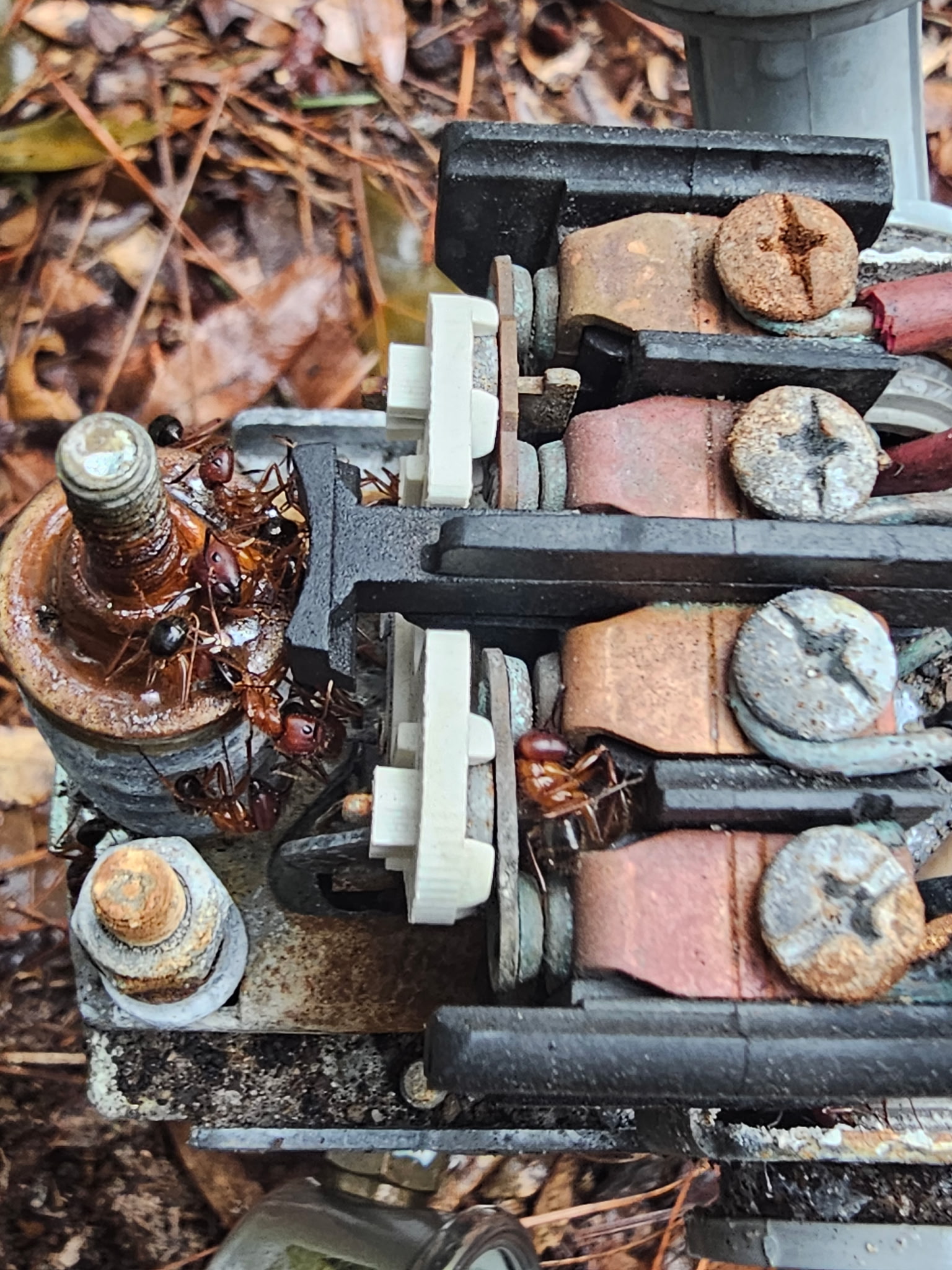

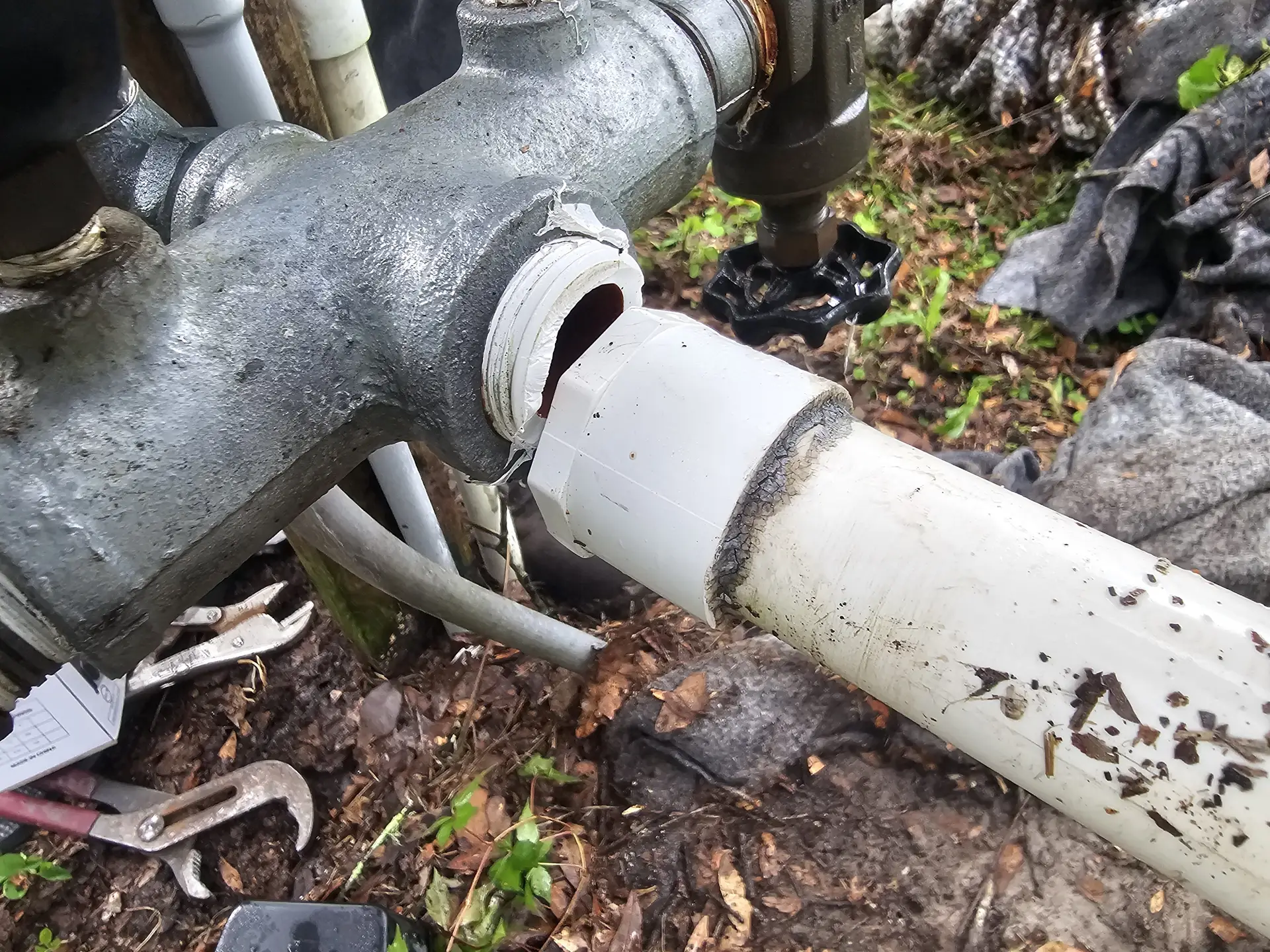
Prepare for outages and take flooding seriously.
Keep contact numbers and equipment records accessible. Discuss backup power and surge protection with a qualified electrical professional; follow the equipment manufacturer’s requirements.
If water stops after an outage, report the timing and symptoms. That timing alone does not prove a capacitor or motor has failed. Do not repeatedly reset a tripping breaker.
If the well is flooded, stay away from the pump, do not use the flooded well water, and obtain professional and public-health guidance before restarting or using the supply. Cleaning, disinfection, and testing require appropriate guidance. See EPA flood-response guidance.
For urgent loss of water, call (352) 247-2220. The emergency phone line is available 24/7; on-site timing depends on availability and conditions.
After-hours rates apply. Call to confirm visit charges, pricing and current availability before scheduling.
Well care reminder card
Topside Well Service · Marion County, FL · (352) 247-2220
Date: __________________ Notes: __________________________
Regular observations
Records and planned care
When something changes
Observation is not diagnosis. Mechanical operation does not establish drinking-water safety.
Well maintenance questions
How often should I check my well pump?
Use a regular reminder to observe normal pressure, unusual cycling, visible leaks, and changes in water delivery. The monthly and quarterly reminders here are an organizational aid, not a universal manufacturer service interval. Follow equipment instructions and discuss maintenance frequency with your service provider.
Can tapping the tank confirm that its bladder has failed?
No. A sound from tapping is not a reliable diagnosis across different tank designs and installations. Report frequent cycling or changing pressure and have the tank evaluated before selecting a repair.
Should I add air to the pressure tank every three months?
Do not use a fixed air-adjustment schedule for every system. Tank design, manufacturer instructions, pressure settings, and proper isolation and depressurization matter. Have a qualified technician evaluate a suspected tank issue rather than adjusting it from a generic checklist.
How often should private well water be tested?
EPA recommends annual testing for total coliform bacteria, nitrates, total dissolved solids, and pH. Additional tests depend on local risks and circumstances. Use a certified drinking-water testing laboratory and ask your health department for guidance after a water-quality change or other concern.
Does annual maintenance guarantee the pump will not fail?
No. Maintenance can document conditions and identify issues, but it cannot guarantee equipment reliability between visits. Report new symptoms promptly and ask what is included in the proposed maintenance scope.
Do you sell filters or water softeners?
Topside sells and installs water filters, but not water softeners. Discuss your concerns and any water test results before choosing equipment. Follow the selected filter manufacturer’s maintenance and cartridge-change instructions.
More help with well equipment
Read about 7 well pump warning signs, pressure switch repair, and water system diagnostics.
Customer experiences


Discuss maintenance for your well.
Share your equipment history and any new symptoms. Ask about the proposed scope and charges before scheduling.
Call (352) 247-2220